Pip: Welcome to the Children and Youth Education Center podcast — where the hallways are quieter than you think, and the harm is quieter still.
Mara: Dr. Geisha Glass-Abdullah has been writing about the kind of bullying that doesn’t trip a single alarm — strategic, social, and hiding in plain sight. That’s the territory we’re covering today.
Pip: Let’s start with what makes this brand of aggression so hard to catch.
Hidden in Plain Sight: Addressing “Socially Acceptable” Bullying in Schools
Mara: The central tension here is that the most damaging school aggression often looks, from the outside, like normal social life — exclusion dressed as preference, rumors dressed as conversation.
Pip: The post names it directly: this bullying is “strategic, resourceful, and carefully designed to stay within the bounds of school rules and social morality.”
Mara: That word resourceful is doing real work. The aggressor understands social hierarchies well enough to manipulate them — which means punishment-based systems, the ones built to catch rule-breaking, simply don’t see it.
Pip: So zero-tolerance policies end up being zero-relevant. The post’s answer is a full culture shift — from policing to what it calls a culture of invitation.
Mara: That’s where the I-CORT framework comes in: Intentionality, Care, Optimism, Respect, and Trust. The argument is that if a school’s atmosphere isn’t intentionally inclusive, it becomes accidentally exclusive.
Pip: Accidentally exclusive is a phrase worth sitting with. It means inaction is itself a choice with consequences.
Mara: The post also addresses bystanders directly, through the STAC strategies — Stealing the Show, Turning it Over, Accompanying Others, and Coaching Compassion. The logic is that when the social group no longer finds manipulative behavior acceptable, the behavior loses its power.
Pip: Which puts real responsibility on the majority who witness it, not just the adults managing it after the fact.
Mara: And for students already targeted, the post calls for social architecture — scaffolding through teachers and peers to help victimized children rebuild confidence, alongside consistent adult validation that the harm is real even when it’s invisible to policy.
Pip: The YES Program — Youth Empowerment Support — gets a specific mention as a free workshop resource for educators who want to close the definition gap between what adults recognize as bullying and what students actually experience.
Mara: The throughline across all of it is that subtle harm requires deliberate response. Waiting for a rule to break means the damage is already done.
Pip: Strategic exclusion, invisible injuries, bystanders who hold more power than they know — this is where the real work in schools lives.
Mara: And the framework here gives educators somewhere concrete to start. Next episode, we’ll keep following what the research says about building safer spaces for every student.
Based on the research and frameworks of Dr. Geisha Glass-Abdullah
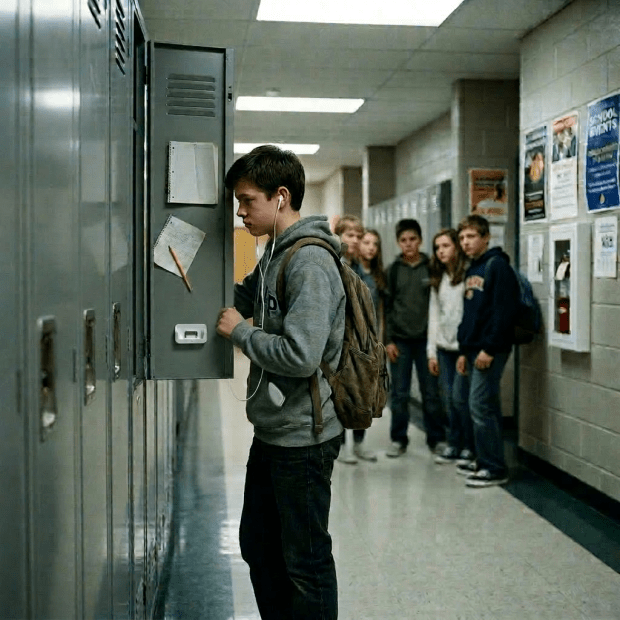
In many school hallways, a sophisticated form of aggression is unfolding—one that doesn’t involve physical fights or obvious name-calling. Dr. Geisha Glass-Abdullah defines this as “socially acceptable” bullying. Unlike impulsive playground outbursts, this behavior is strategic, resourceful, and carefully designed to stay within the bounds of school rules and social morality.
Because these actions “hide” behind a veneer of normal social interaction, they often bypass traditional disciplinary measures, leaving victims isolated and educators searching for answers.
The Challenge: Why Traditional Rules Fail
Socially acceptable bullying is “resourceful.” The aggressor understands social hierarchies and policies well enough to manipulate them. They might use strategic exclusion, subtle rumors, or “jokes” that target a peer’s insecurities without technically breaking a code of conduct. When schools rely solely on “zero-tolerance” or punishment-based systems, these subtle behaviors often go undetected or are dismissed as “kids being kids.” To stop it, we must shift from a culture of policing to a culture of invitation.
The Solution: The I-CORT Framework
Dr. Glass-Abdullah champions Invitational Education (IE) as the primary antidote to subtle aggression. By implementing the I-CORT principles, schools can create an environment where the “social oxygen” for bullying is cut off.
Intentionality: We must be deliberate in every interaction. If a school’s atmosphere isn’t intentionally inclusive, it becomes accidentally exclusive.
Care: Authentic relationships are the best defense. When students feel a deep sense of belonging, they are less likely to seek power through social manipulation.
Optimism: We must believe in every student’s potential for positive social growth. This prevents us from “labeling” students and instead encourages them to live up to high ethical standards.
Respect: True respect honors the unique cultural and personal identity of every individual, making it harder for “socially acceptable” biases to take root.
Trust: A school must be a “safe harbor.” If students don’t trust that adults will understand the nuance of subtle bullying, they will stop reporting it.
Action Steps for Educators and Parents
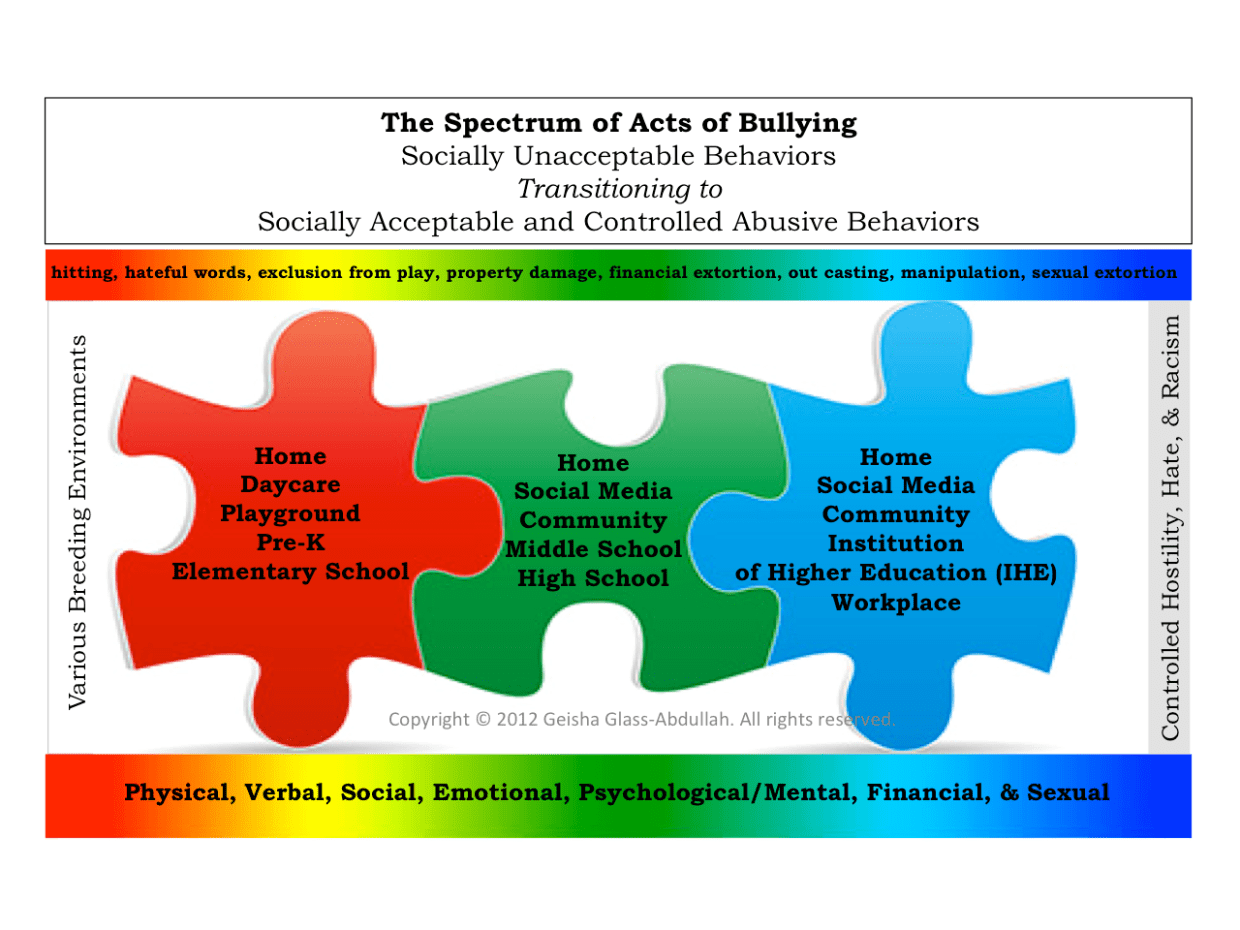
Redefine the Spectrum: Move beyond physical/verbal definitions. Teach students and staff about the Spectrum of Acts of Bullying, highlighting how repeated, intentional social exclusion is just as harmful as a physical blow.
Focus on Restorative Practices: Rather than just suspending a student, use restorative circles to address the harm caused. This forces the “resourceful” bully to face the human impact of their “socially acceptable” actions.
Active Supervision: Increase adult presence in “gray zones”—the cafeteria, locker rooms, and digital spaces—where social manipulation is most likely to occur.
Empower the “Silent Majority”: Give bystanders the language to call out subtle exclusion. When the social group no longer finds manipulative behavior “acceptable,” the behavior loses its power.
To address socially acceptable bullying, Dr. Geisha Glass-Abdullah emphasizes shifting from traditional punishment to a culture of “invitation” through her I-CORT Framework (Intentionality, Care, Optimism, Respect, and Trust). [1, 2]
1. Improve School Culture
A positive school culture is the primary defense against subtle, strategic bullying. [2, 3]
Implement I-CORT: Infuse Intentionality, Care, Optimism, Respect, and Trust into daily interactions to ensure all students feel recognized as “able, valuable, and responsible”.
Build Communities, Not Just Classes: Use team-building and “buddy” systems to shrink the “fertile ground” where bullying thrives. Students are less likely to target those they perceive as part of their own community.
Celebrate Collective Success: Shift away from individual hierarchies by celebrating class-wide achievements and encouraging students to understand others’ perspectives. [2, 4, 5, 6, 7]
2. Train Staff and Teachers
Training must bridge the “definition gap” between adults and youth regarding what constitutes bullying. [8, 9]
Identify Subtle Harm: Train staff to recognize “relational bullying” and the strategic, resourceful tactics used in the final stages of the Spectrum of Acts of Bullying.
Reflective Practice: Move beyond unilateral rules. Teachers should use facilitated discussions to gain student insights naturally rather than imposing opinions, which has been shown to lower bullying rates more effectively.
Utilize Workshop Resources: Programs like the Youth Empowerment Support (YES) Program offer free workshops specifically designed for educators to recognize and respond to these behaviors. [3, 10, 11, 12, 13, 14]
3. Address Specific Bullies
For students using “socially acceptable” bullying, traditional discipline often fails because they haven’t technically “broken” a major rule. [11]
Understand Motivation: Address the underlying pain or lack of social skills driving the behavior. Some bullies may come from high-conflict environments and require professional intervention to break their own “downward spiral”.
Reintegrative Shaming: Focus on the harm caused rather than just the rule broken. Use restorative practices to help the aggressor feel remorse and build empathy without being permanently cast out.
Scaffolding: Provide intensive, “indicated” supports that include the youth’s family to address behavioral health concerns early. [15, 16, 17, 18]
4. Support Victims
Victims of subtle bullying often feel they have no protection because their “injuries” are psychological or social rather than physical. [8, 11]
Social Architecture: Provide “scaffolding” through teachers and peers to help victimized children gain confidence and develop new, healthy friendships.
Holistic Well-being: Prioritize emotional and physical health. A nurturing environment reduces the stress that might otherwise lead victims to unhealthy coping mechanisms.
Validation: Ensure adults listen and check in often, letting the victim know the behavior is unacceptable even if it’s “socially acceptable” to others. [2, 3, 19, 20]
5. Empower Student Bystanders
Bystanders decide whether the social dynamics of a school remain benign or become adversarial. [21]
For example, the STAC Strategies (Midgett, n.d.):
Stealing the Show: Use humor or distraction to pull attention away from a bullying incident.
Turning it Over: Report the incident to a “safe adult”.
Accompanying Others: Approach the target afterward to show they are not alone.
Coaching Compassion: Gently confront the bully about how their behavior might feel to others.
Overcome Moral Distress: Address the fear and “moral conflict” that keep bystanders silent by building an environment of psychological safety—a shared belief that one can take risks (like speaking up) without fear of punishment or humiliation. [22, 23].
Conclusion
Socially acceptable bullying thrives in the shadows of technicalities. By leaning into the I-CORT principles and fostering a climate of radical inclusion, we can ensure that our schools are truly safe spaces for every student to learn and grow. Together we can decrease bullying by creating safe and inclusive schools for all. Make sure you visit the Youth Empowerment Support (YES) Program website to learn more about YES and all upcoming bully prevention workshops and events.