Bullying

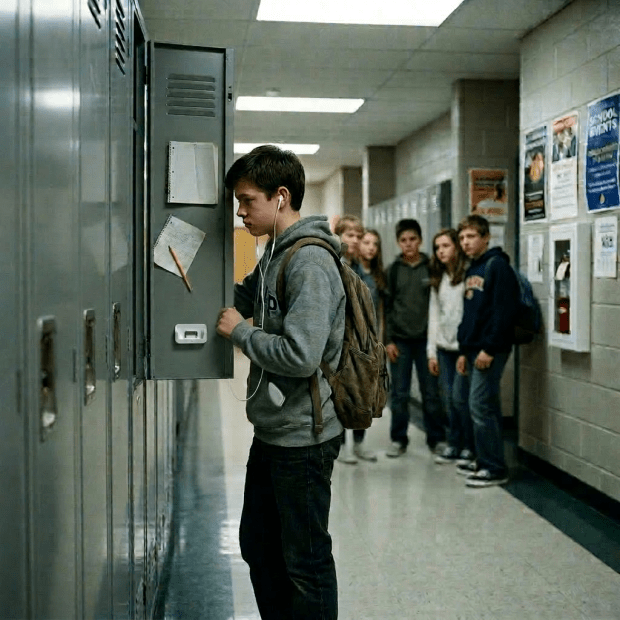
A teenage boy wearing headphones and a backpack stands at an open locker in a school hallway while a group of students watch from a distance

Podcast Episode: Hidden in Plain Sight: Addressing “Socially Acceptable” Bullying in Schools

Pip: Welcome to the Children and Youth Education Center podcast — where the hallways are quieter than you think, and the harm is quieter still.

Mara: Dr. Geisha Glass-Abdullah has been writing about the kind of bullying that doesn’t trip a single alarm — strategic, social, and hiding in plain sight. That’s the territory we’re covering today.

Pip: Let’s start with what makes this brand of aggression so hard to catch.

Hidden in Plain Sight: Addressing “Socially Acceptable” Bullying in Schools

Mara: The central tension here is that the most damaging school aggression often looks, from the outside, like normal social life — exclusion dressed as preference, rumors dressed as conversation.

Pip: The post names it directly: this bullying is “strategic, resourceful, and carefully designed to stay within the bounds of school rules and social morality.”

Mara: That word resourceful is doing real work. The aggressor understands social hierarchies well enough to manipulate them — which means punishment-based systems, the ones built to catch rule-breaking, simply don’t see it.

Pip: So zero-tolerance policies end up being zero-relevant. The post’s answer is a full culture shift — from policing to what it calls a culture of invitation.

Mara: That’s where the I-CORT framework comes in: Intentionality, Care, Optimism, Respect, and Trust. The argument is that if a school’s atmosphere isn’t intentionally inclusive, it becomes accidentally exclusive.

Pip: Accidentally exclusive is a phrase worth sitting with. It means inaction is itself a choice with consequences.

Mara: The post also addresses bystanders directly, through the STAC strategies — Stealing the Show, Turning it Over, Accompanying Others, and Coaching Compassion. The logic is that when the social group no longer finds manipulative behavior acceptable, the behavior loses its power.

Pip: Which puts real responsibility on the majority who witness it, not just the adults managing it after the fact.

Mara: And for students already targeted, the post calls for social architecture — scaffolding through teachers and peers to help victimized children rebuild confidence, alongside consistent adult validation that the harm is real even when it’s invisible to policy.

Pip: The YES Program — Youth Empowerment Support — gets a specific mention as a free workshop resource for educators who want to close the definition gap between what adults recognize as bullying and what students actually experience.

Mara: The throughline across all of it is that subtle harm requires deliberate response. Waiting for a rule to break means the damage is already done.


Pip: Strategic exclusion, invisible injuries, bystanders who hold more power than they know — this is where the real work in schools lives.

Mara: And the framework here gives educators somewhere concrete to start. Next episode, we’ll keep following what the research says about building safer spaces for every student.


APA 7th Edition Citation

Glass-Abdullah, G. (Host). (2026, June 22). Hidden in plain sight: Addressing “socially acceptable” bullying in schools [Audio podcast episode]. In Children & Youth Education Center© Blog & Podcasthttps://childrenandyoutheducationcenter.com/2026/06/22/podcast-episode-hidden-in-plain-sight-addressing-socially-acceptable-bullying-in-schools/

In-Text Citations:

  • Parenthetical citation: (Glass-Abdullah, 2026)
  • Narrative citation: Glass-Abdullah (2026)

Unmasking the Silent Struggle: How Bullying Fuels Childhood Obesity, and How Empathy Can Heal

4 Sept 2026

Post by Dr. Geisha Glass-Abdullah, Children and Youth Education Center (CYEC)

Childhood obesity is a burgeoning crisis with far-reaching health consequences. While often discussed in terms of diet and exercise, a less visible but equally potent factor contributing to this epidemic is bullying. For African American children, the layers of this issue can be particularly complex, intertwined with experiences of marginalization that exacerbate the impact of bullying. This blog will explore the profound link between bullying and childhood obesity, drawing on insights from scholarly literature by African American doctors. We will then examine how the principles of Invitational Education, championed by William Purkey, Dr. Geisha Glass-Abdullah, and others, offer a powerful framework to transform school climates, reducing bullying and, in turn, potentially mitigating the rise of childhood obesity.

The Heavy Burden: Bullying’s Link to Childhood Obesity

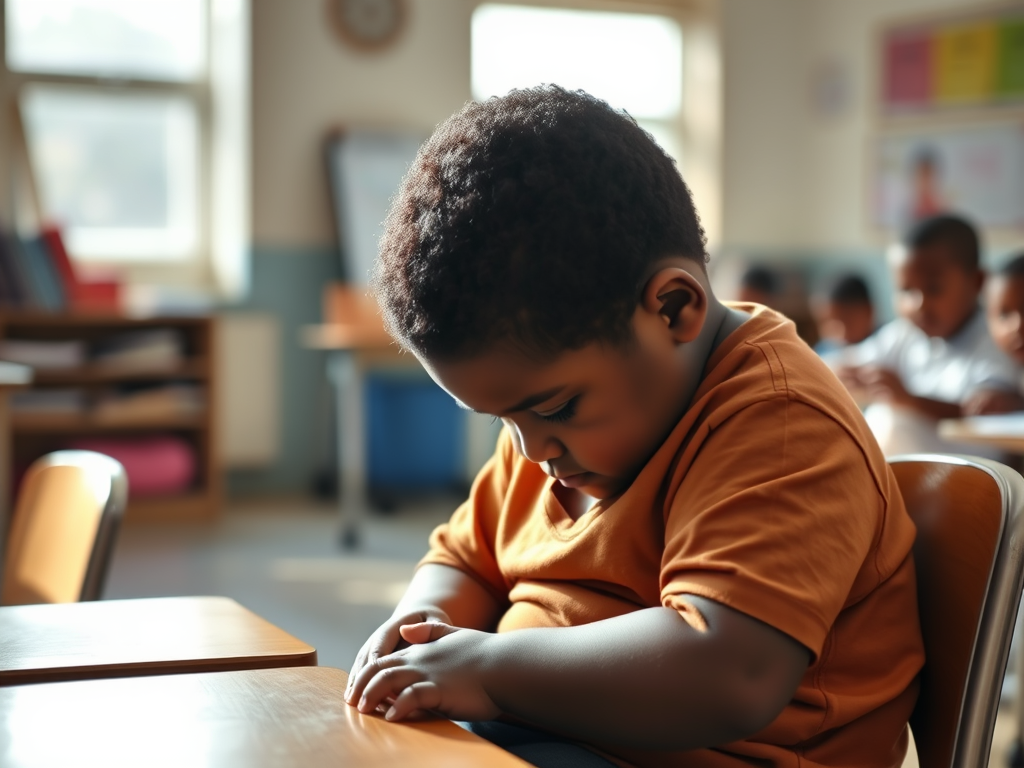
The connection between bullying and childhood obesity is a vicious cycle. Children who are bullied, especially about their weight or appearance, often experience intense psychological distress. This stress can manifest in various ways that directly impact their physical health.

Dr. Gail Wyatt, a distinguished African American psychologist and professor at UCLA, has extensively researched the impact of stress and trauma on health outcomes, particularly within minority communities. Her work, while not exclusively focused on childhood obesity, provides a critical lens through which to understand how chronic stress—a hallmark of bullying—can disrupt physiological processes. When a child is consistently exposed to bullying, their body is in a constant state of “fight or flight.” This triggers the release of cortisol, a stress hormone known to increase appetite, particularly for high-calorie, comfort foods, and promote fat storage, especially around the abdomen.

Furthermore, the emotional toll of bullying can lead to a sedentary lifestyle. As Dr. Valerie Earnshaw, a researcher focused on stigma and health disparities, has highlighted, experiences of discrimination and marginalization can lead to withdrawal from social activities. Children who are bullied may avoid physical education classes, sports, or even playing outside with friends for fear of further ridicule or harassment. This reduction in physical activity, coupled with stress-induced eating, creates a perfect storm for weight gain.

For African American children, the weight-related bullying they experience can be compounded by existing societal biases and racial discrimination. This “double burden” of stigma can intensify feelings of shame, anxiety, and depression, making them even more vulnerable to unhealthy coping mechanisms like overeating. The long-term health consequences are stark, with an increased risk of type 2 diabetes, heart disease, and other chronic conditions impacting quality of life well into adulthood.

Invitational Education: Cultivating a Culture of CARE

So, how can we disrupt this devastating cycle? This is where William Purkey’s Invitational Education (IE) offers a transformative approach. Invitational Education is a theory and practice that focuses on intentionally creating environments that are Caring, Optimistic, Respectful, and Trusting (I-CORT) (Glass-Abdullah, 2022). It shifts the focus from what’s “wrong” with students to what’s “right” with them, emphasizing their inherent worth and capabilities.

Imagine a school where every student feels genuinely invited to learn, grow, and belong. This is the essence of Invitational Education, and its impact on bullying and, subsequently, childhood obesity, can be profound:

  1. Reduces Bullying through Empathy and Respect: By intentionally fostering environments where all individuals feel valued and respected, Invitational Education directly counteracts the root causes of bullying. When students and staff are taught to genuinely care for one another and trust is built, the fertile ground for bullying shrinks. Children are less likely to target peers they perceive as part of their “community” and more likely to intervene when bullying occurs.
  2. Enhances School Climate and Engagement: A positive school climate, characterized by I-CORT principles (Glass-Abdullah, 2022), makes students feel safer and more comfortable. This increased sense of security encourages participation in all aspects of school life, including physical activities. When children feel accepted and supported, their stress levels decrease, making them less likely to turn to unhealthy eating as a coping mechanism.
  3. Promotes Holistic Well-being: Invitational Education recognizes that academic success is intertwined with emotional and physical well-being. By prioritizing a nurturing and encouraging environment, schools can support students in developing healthy self-esteem and positive body images. This holistic approach empowers children to make healthier lifestyle choices, not out of shame or fear, but out of a genuine desire for self-care.
  4. Empowers All Stakeholders: Invitational Education is not just for students; it extends to teachers, administrators, and parents. By inviting everyone to contribute to a positive school culture, it creates a collective responsibility for well-being. Educators who feel respected and optimistic are better equipped to identify and address bullying, while parents who feel trusted are more likely to partner with the school in supporting their children.

A Call to Action: Healing Through Connection

The impact of bullying on childhood obesity, particularly within vulnerable communities, is a silent crisis that demands our attention. By drawing on the wisdom of African American scholars who understand the nuances of stress and health disparities, we gain a clearer picture of the problem. And by embracing the principles of Invitational Education, we find a powerful pathway to healing.

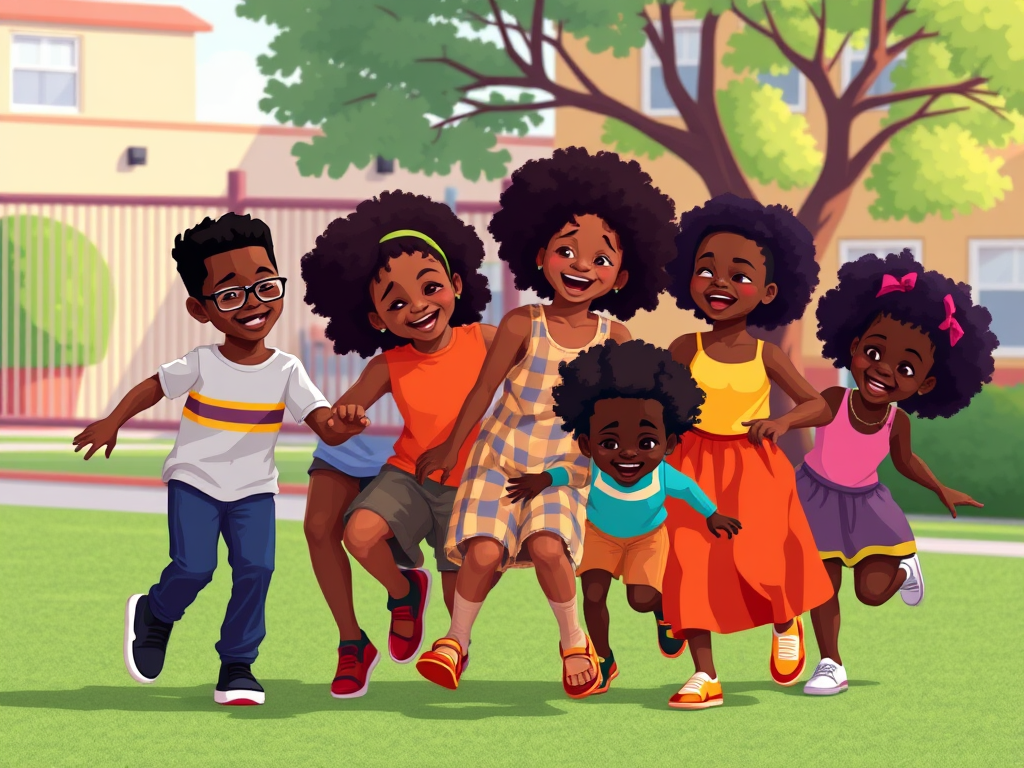
Creating schools where every child feels seen, valued, and safe is not just about preventing bullying; it’s about nurturing an environment where all children can flourish physically, emotionally, and academically. It’s about empowering them to choose health, not out of a reaction to pain, but out of a foundation of self-worth and belonging. By investing in Invitational Education and the framework of I-CORT in educational settings, we invest in a healthier, more compassionate future for all our children.