Pip: Welcome to the Children and Youth Education Center podcast — where the hallways are quieter than you think, and the harm is quieter still.
Mara: Dr. Geisha Glass-Abdullah has been writing about the kind of bullying that doesn’t trip a single alarm — strategic, social, and hiding in plain sight. That’s the territory we’re covering today.
Pip: Let’s start with what makes this brand of aggression so hard to catch.
Hidden in Plain Sight: Addressing “Socially Acceptable” Bullying in Schools
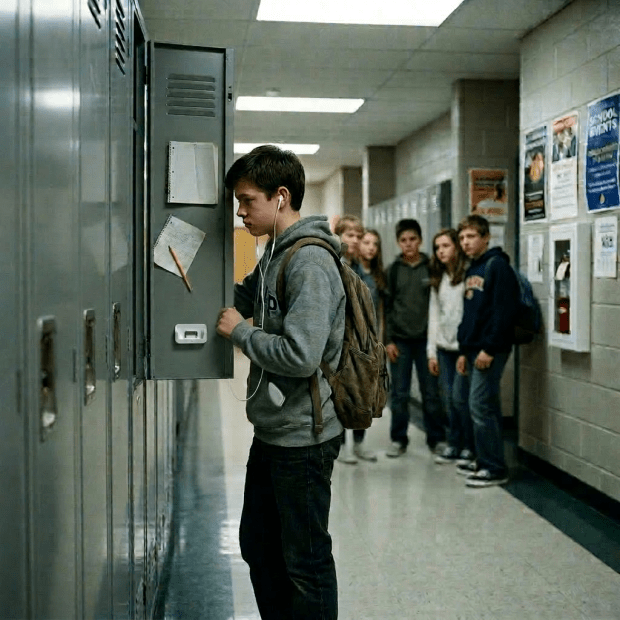
Mara: The central tension here is that the most damaging school aggression often looks, from the outside, like normal social life — exclusion dressed as preference, rumors dressed as conversation.
Pip: The post names it directly: this bullying is “strategic, resourceful, and carefully designed to stay within the bounds of school rules and social morality.”
Mara: That word resourceful is doing real work. The aggressor understands social hierarchies well enough to manipulate them — which means punishment-based systems, the ones built to catch rule-breaking, simply don’t see it.
Pip: So zero-tolerance policies end up being zero-relevant. The post’s answer is a full culture shift — from policing to what it calls a culture of invitation.
Mara: That’s where the I-CORT framework comes in: Intentionality, Care, Optimism, Respect, and Trust. The argument is that if a school’s atmosphere isn’t intentionally inclusive, it becomes accidentally exclusive.
Pip: Accidentally exclusive is a phrase worth sitting with. It means inaction is itself a choice with consequences.
Mara: The post also addresses bystanders directly, through the STAC strategies — Stealing the Show, Turning it Over, Accompanying Others, and Coaching Compassion. The logic is that when the social group no longer finds manipulative behavior acceptable, the behavior loses its power.
Pip: Which puts real responsibility on the majority who witness it, not just the adults managing it after the fact.
Mara: And for students already targeted, the post calls for social architecture — scaffolding through teachers and peers to help victimized children rebuild confidence, alongside consistent adult validation that the harm is real even when it’s invisible to policy.
Pip: The YES Program — Youth Empowerment Support — gets a specific mention as a free workshop resource for educators who want to close the definition gap between what adults recognize as bullying and what students actually experience.
Mara: The throughline across all of it is that subtle harm requires deliberate response. Waiting for a rule to break means the damage is already done.
Pip: Strategic exclusion, invisible injuries, bystanders who hold more power than they know — this is where the real work in schools lives.
Mara: And the framework here gives educators somewhere concrete to start. Next episode, we’ll keep following what the research says about building safer spaces for every student.
APA 7th Edition Citation
Glass-Abdullah, G. (Host). (2026, June 22). Hidden in plain sight: Addressing “socially acceptable” bullying in schools [Audio podcast episode]. In Children & Youth Education Center© Blog & Podcast. https://childrenandyoutheducationcenter.com/2026/06/22/podcast-episode-hidden-in-plain-sight-addressing-socially-acceptable-bullying-in-schools/
In-Text Citations:
- Parenthetical citation: (Glass-Abdullah, 2026)
- Narrative citation: Glass-Abdullah (2026)
 Children & Youth Education Centers